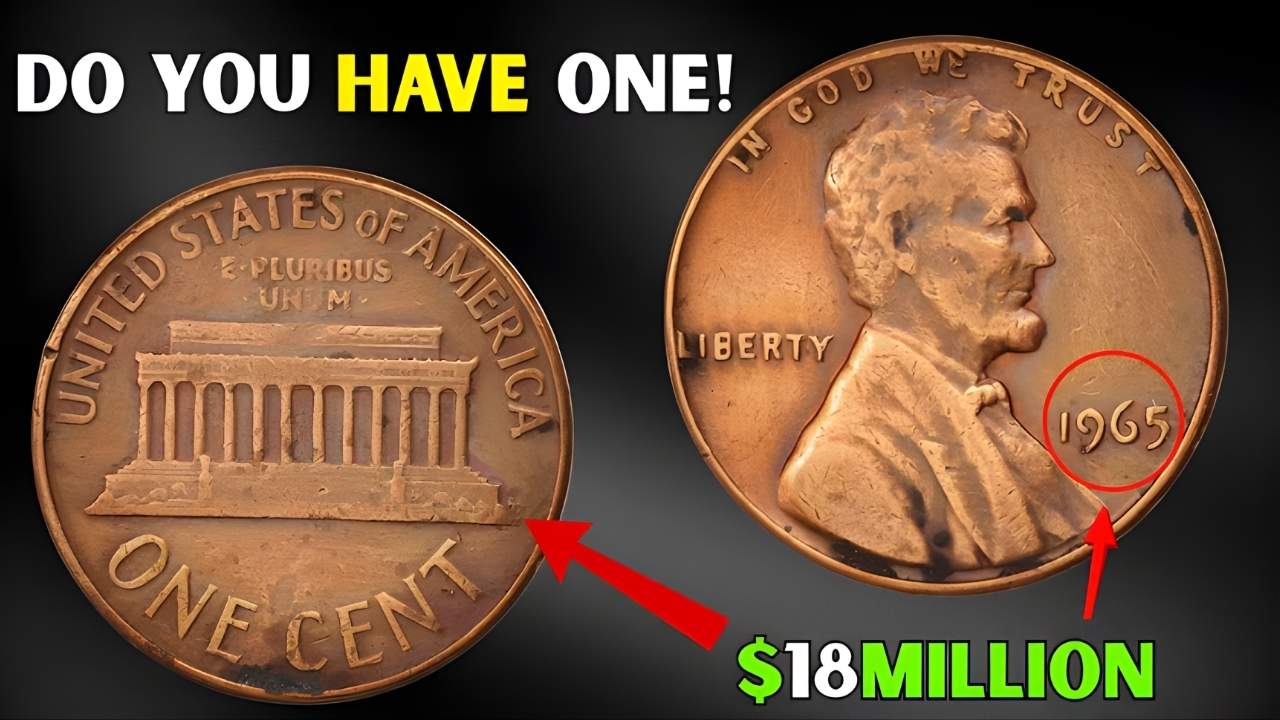
2026 Lincoln Penny Values Explained: The Lincoln penny has been a fixture of American coinage for well over a century, admired by collectors and everyday citizens alike. Since its debut in 1909, the coin has carried the image of Abraham Lincoln, symbolizing both national pride and historical continuity. Each year’s issue brings with it subtle variations in mint marks, production numbers, and collector interest. For 2026, the Lincoln penny continues this legacy, and understanding its value requires a careful look at minting practices, condition, and market demand. This guide offers a complete year and mint mark overview, helping collectors and enthusiasts appreciate the nuances of the 2026 Lincoln penny.
Key Highlights
- The Lincoln penny remains one of the most collected coins in the United States.
- Mint marks are essential for identifying production location and rarity.
- Condition and grading standards significantly influence value.
- Proof coins and error varieties often command higher premiums.
- Historical trends provide insight into potential future values.
- Market demand plays a central role in determining collector interest.
The Historical Significance of the Lincoln Penny
The Lincoln penny was first introduced to honor the centennial of Abraham Lincoln’s birth. Designed by Victor David Brenner, it was groundbreaking as the first U.S. coin to feature a real person. Over the decades, the reverse design has changed from wheat stalks to the Lincoln Memorial and, more recently, to the Union Shield. Despite these changes, Lincoln’s portrait has remained constant, making the penny a symbol of continuity in American coinage.
By 2026, the Lincoln penny is not just a circulating coin but also a collectible piece of history. Each year’s issue adds to the broader narrative of American coinage, and collectors often seek complete sets that span decades. The 2026 penny fits neatly into this tradition, representing both modern minting technology and the enduring legacy of Lincoln.
Mint Marks and Their Role in Value
Mint marks are small letters on coins that indicate where they were produced. For Lincoln pennies, the most common mint marks are:
- P for Philadelphia
- D for Denver
- S for San Francisco
Philadelphia coins often lack a mint mark, while Denver and San Francisco coins carry their respective letters. Mint marks are crucial because they can signal scarcity. For example, certain years saw limited production at one mint, making those coins more valuable.
In 2026, Philadelphia is expected to produce the majority of pennies, with Denver contributing a large share as well. San Francisco issues are typically reserved for proof sets, which are struck with greater care and intended for collectors. Understanding these distinctions is key to assessing value.
Condition and Grading Standards
The condition of a coin is one of the most important factors in determining its value. Coins are graded on a scale ranging from Poor (P-1) to Mint State (MS-70). Even small differences in grade can result in significant price variations.
A circulated 2026 penny may hold only face value, but an uncirculated example with sharp details and no wear can command higher prices among collectors. Proof versions, struck with polished dies and intended for collectors, often achieve higher grades and values.
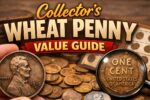
Collectors should pay attention to luster, strike quality, and any potential minting errors. Professional grading services provide standardized assessments, giving buyers and sellers confidence in the coin’s quality.
Historical Value Trends
Looking at past Lincoln pennies helps predict the potential value of the 2026 issue. Certain coins have achieved remarkable prices due to rarity or minting errors. The 1909-S VDB penny remains one of the most sought-after coins in the series, while the 1955 doubled die penny is famous for its striking error.

Modern pennies are generally produced in large quantities, which limits their rarity. However, proof sets, special finishes, and error coins often attract collector interest. By analyzing past patterns, collectors can anticipate which 2026 issues may become more desirable in the future.
Circulation Strikes and Proof Issues
The U.S. Mint produces two main types of pennies each year: circulation strikes and proof issues. Circulation strikes are intended for everyday use, while proof coins are specially made for collectors.
Circulation strikes of the 2026 penny will likely be abundant, with billions produced. Their value in most cases will remain at face value unless preserved in pristine condition. Proof issues, however, are struck with greater care, featuring mirror-like surfaces and sharper details. These coins are sold directly to collectors and often retain higher values.
Owning both types allows collectors to build a comprehensive set. Proof coins, especially those from San Francisco, often become highlights in collections due to their superior quality.
Error Coins and Varieties
Error coins are among the most exciting finds for collectors. Mistakes during the minting process can result in coins with doubled dies, off-center strikes, or other anomalies. These errors are rare and can significantly increase a coin’s value.
For the 2026 penny, collectors will be on the lookout for such varieties. Even minor errors can attract attention, especially if they are well-documented and verified by grading agencies. Historically, error coins have commanded premiums far above their face value, making them a fascinating aspect of coin collecting.
Market Demand and Collector Interest
The value of any coin is ultimately influenced by market demand. Lincoln pennies enjoy a strong collector base, with enthusiasts ranging from beginners to seasoned numismatists. The accessibility of pennies makes them an ideal starting point for new collectors, while rare varieties appeal to advanced hobbyists.
In 2026, demand for Lincoln pennies remains steady. Online marketplaces, coin shows, and auctions provide platforms for buying and selling. The popularity of coin collecting as a hobby ensures that even modern issues like the 2026 penny find eager audiences.
Mint Mark Comparison for 2026 Lincoln Penny
| Mint Location | Mint Mark | Typical Production | Collector Notes |
|---|---|---|---|
| Philadelphia | None or P | Highest mintage, billions | Common in circulation, value depends on condition |
| Denver | D | Large mintage, wide distribution | Popular among collectors, some scarcity in high grades |
| San Francisco | S | Proof sets only | Superior quality, higher collector value |
Collecting Strategies for the 2026 Penny
Collectors often adopt different strategies depending on their goals. Some aim to build complete year sets, while others focus on high-grade examples or rare varieties. For the 2026 penny, a balanced approach might include acquiring circulation strikes from Philadelphia and Denver, along with proof issues from San Francisco.
Error coins, if discovered, should be carefully preserved and authenticated. Collectors should also consider professional grading for high-quality examples, as this adds credibility and potential resale value.
Conclusion
The 2026 Lincoln penny continues a tradition that spans more than a century. While most circulation strikes will hold only face value, proof issues and error varieties offer opportunities for collectors to find coins of greater worth. Mint marks, condition, and market demand all play critical roles in determining value. By understanding these factors, collectors can make informed decisions and appreciate the historical significance of the Lincoln penny.