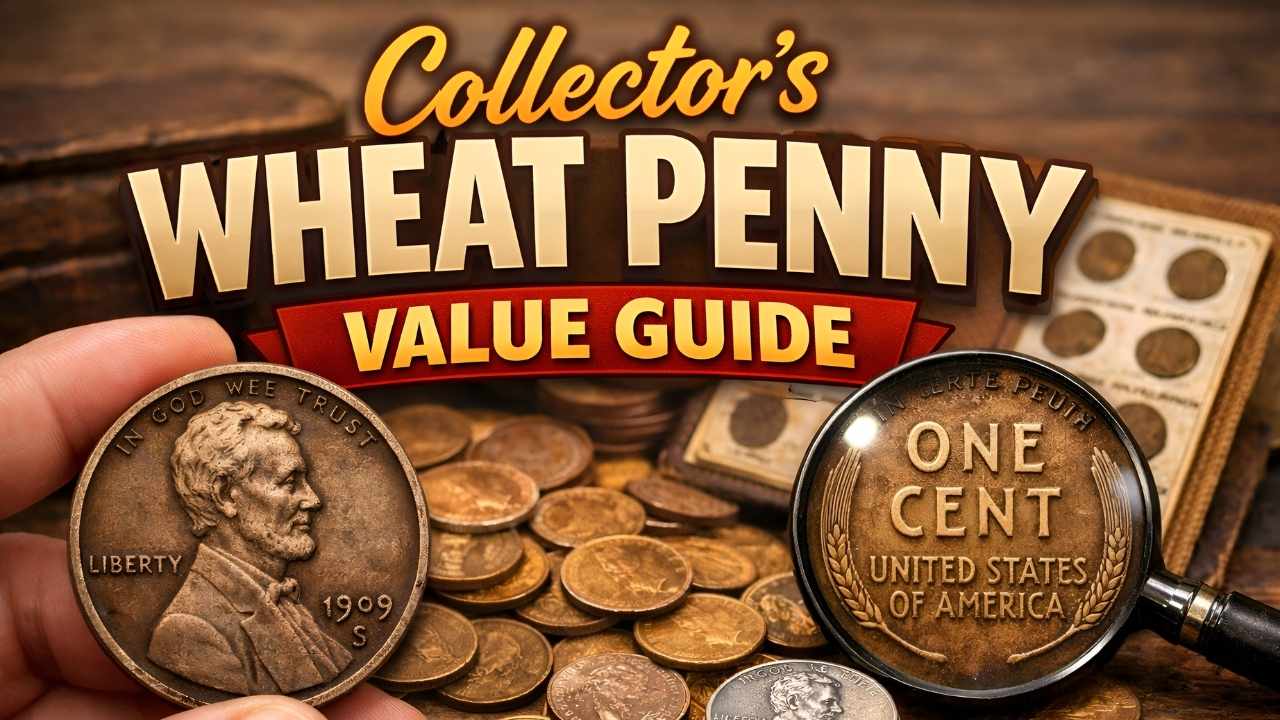
Collector’s Wheat Penny Value Guide 2026: The Wheat penny, officially known as the Lincoln Wheat cent, remains one of the most beloved coins in American numismatics. First minted in 1909 to honor the centennial of Abraham Lincoln’s birth, it was the first United States coin to feature a real person rather than a symbolic figure. The reverse design, with two wheat stalks framing the denomination, gave the coin its popular nickname. Although production ended in 1958, the Wheat penny continues to capture the imagination of collectors, historians, and investors.
In 2026, the Wheat penny market is thriving. Rare dates, mint marks, and error varieties are commanding impressive prices, with some coins valued in the tens or even hundreds of thousands of dollars. The past decade has seen steady growth in demand, making Wheat pennies not only a nostalgic collectible but also a serious investment opportunity.
Historical Background of the Wheat Penny
The introduction of the Wheat penny marked a turning point in American coinage. Designed by Victor David Brenner, the coin was revolutionary in its depiction of Lincoln, a figure deeply respected across the nation. The design was simple yet powerful, with Lincoln’s profile on the obverse and the wheat stalks symbolizing prosperity on the reverse.
Over the years, the coin was minted in Philadelphia, Denver, and San Francisco, with mint marks distinguishing the origin. Collectors quickly realized that certain years and mint marks were scarcer than others, creating a hierarchy of value that persists today.
Why Wheat Pennies Are Valuable in 2026
Several factors contribute to the enduring value of Wheat pennies.
- Rarity: Low mintage years and specific mint marks are scarce, making them highly desirable.
- Condition: Coins in pristine condition, especially those graded by professional services, command premium prices.
- Error Varieties: Mistakes in minting, such as doubled dies or off-center strikes, create unique coins that collectors prize.
- Historical Significance: The coin’s connection to Lincoln and its place in American history add intangible value.
- Market Trends: Increased interest in numismatics has driven prices upward, with Wheat pennies benefiting from this surge.
Key Mint Marks and Their Importance
Mint marks are small letters that indicate where a coin was produced. For Wheat pennies, they play a crucial role in determining value.

- No Mint Mark (Philadelphia): Coins without a mint mark were struck in Philadelphia. While common in many years, certain Philadelphia issues are rare.
- D Mint Mark (Denver): Denver mint pennies often had lower production numbers, making them more valuable.
- S Mint Mark (San Francisco): San Francisco issues are particularly sought after, with some varieties achieving record prices.
Collectors carefully study mint marks, as they can dramatically affect a coin’s worth.
Rare Error Varieties
Error coins are among the most exciting finds for collectors. Wheat pennies are famous for several notable errors.

- 1955 Doubled Die Obverse: Perhaps the most famous error, this coin shows dramatic doubling in the date and lettering. It is highly prized and can fetch tens of thousands of dollars.
- 1943 Copper Penny: During World War II, pennies were struck in steel to conserve copper. A few copper planchets were mistakenly used, creating one of the rarest coins in American history.
- 1922 No D: A Denver mint coin that lacks the “D” mint mark due to a die issue. This variety is scarce and valuable.
- 1944 Steel Penny: Similar to the 1943 copper error, a few steel planchets were used in 1944, resulting in another rare variety.
- Off Center Strikes and Die Cracks: These errors, while less dramatic, still add significant value.
The 2026 Price Chart for Wheat Pennies
Values for Wheat pennies vary widely depending on date, mint mark, and condition. Below is a general guide to highlight the range of prices seen in 2026.
| Date and Variety | Average Value (Fine) | High Grade Value (MS65 or higher) | Notable Features |
|---|---|---|---|
| 1909 S VDB | $1,000 | $50,000 | Key first year issue |
| 1914 D | $200 | $25,000 | Low mintage Denver |
| 1922 No D | $500 | $30,000 | Missing mint mark |
| 1943 Copper | $85,000 | $250,000 | Wartime error variety |
| 1944 Steel | $60,000 | $200,000 | Rare transitional error |
| 1955 Doubled Die | $2,000 | $75,000 | Famous doubled die |
| Common Dates | $0.10 | $50 | Circulation coins |
These figures reflect the strong demand in 2026, with rare varieties achieving record-breaking prices.
Ten Year Price Trends
The past decade has seen remarkable growth in the Wheat penny market.
- 2016 to 2018: Prices were relatively stable, with moderate increases in rare varieties.
- 2019 to 2021: Growing interest in collectibles during global economic uncertainty boosted demand.
- 2022 to 2024: Online marketplaces expanded access, driving competition and higher prices.
- 2025 to 2026: Rare varieties reached new records, with the 1943 copper and 1944 steel pennies leading the surge.
Overall, the trend has been upward, with Wheat pennies proving to be resilient investments.
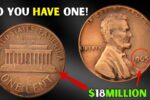
How to Identify Valuable Wheat Pennies
Collectors must pay close attention to details when evaluating Wheat pennies.
- Check the Date: Some years are more valuable than others.
- Examine the Mint Mark: Located below the date, the mint mark is critical.
- Look for Errors: Doubling, missing marks, and unusual features can indicate rare varieties.
- Assess Condition: Coins with sharp details and minimal wear are worth significantly more.
- Seek Professional Grading: Certification adds credibility and ensures accurate valuation.
Tips for Collectors in 2026
For those entering the Wheat penny market, several strategies can help maximize success.

- Start with Affordable Coins: Building a foundation with common dates provides experience.
- Invest in Quality: High grade coins appreciate more over time.
- Research Thoroughly: Understanding history and varieties enhances collecting.
- Network with Other Collectors: Sharing knowledge can lead to discoveries.
- Preserve Coins Properly: Use protective cases and avoid handling to maintain condition.
The Emotional Connection to Wheat Pennies
Beyond financial value, Wheat pennies carry emotional significance. They represent a period of American history marked by resilience and change. Collectors often feel a deep connection to these coins, seeing them as more than currency. They are artifacts that tell stories of culture, artistry, and national identity.
Looking Ahead
The future of Wheat penny collecting appears bright. With values reaching up to $250,000 for rare varieties in 2026, interest is stronger than ever. As new generations discover the beauty and history of these coins, demand is likely to continue rising.

Collectors who invest time and care into their collections will not only preserve history but also potentially secure significant financial rewards. The Wheat penny remains a symbol of America’s past