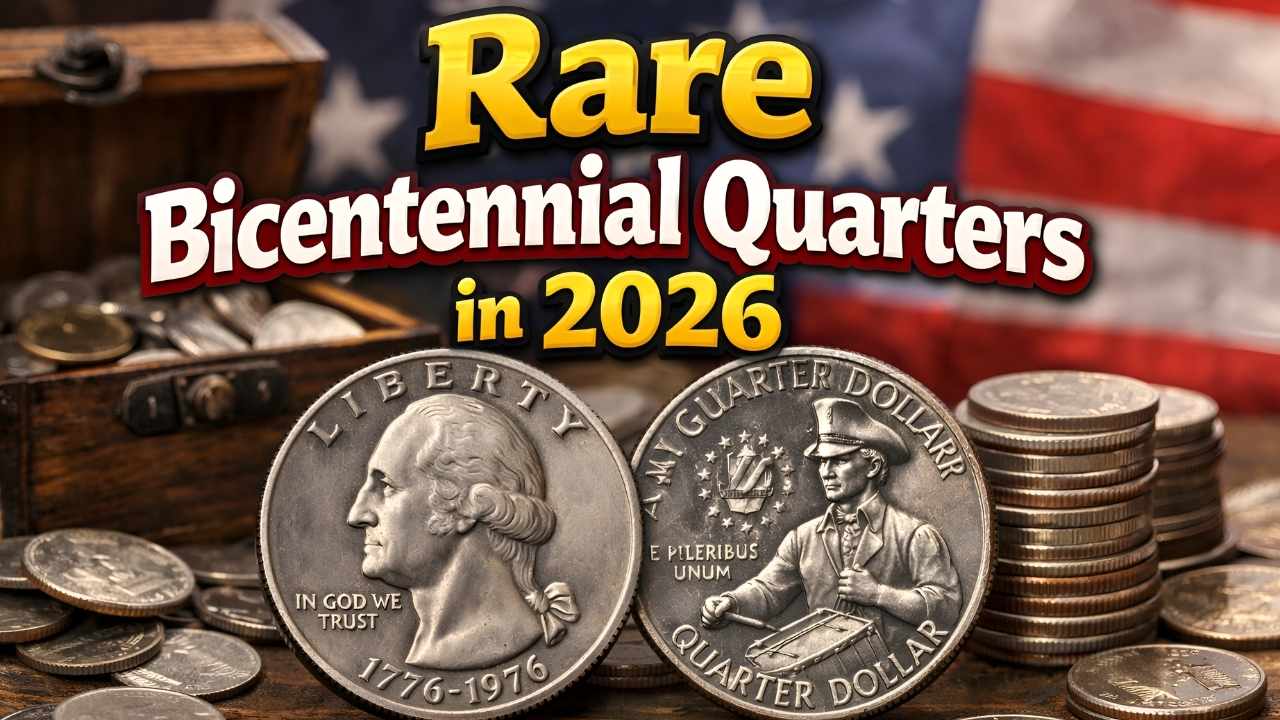
Rare Bicentennial Quarters in 2026: Coin collecting often brings together history, artistry, and investment potential. Among the most celebrated coins in American numismatics are Bicentennial quarters. Issued in 1975 and 1976 to commemorate the 200th anniversary of American independence, these coins feature a unique reverse design with a colonial drummer and a torch surrounded by thirteen stars. In 2026, fifty years after their release, collectors are paying renewed attention to Bicentennial quarters, especially rare varieties and high-grade examples. This guide explores their value, significance, and the factors that make them collectible today.
The Historical Significance of Bicentennial Quarters
The Bicentennial quarter was part of a larger program that included half dollars and dollars, all bearing special designs to honor the nation’s founding. The quarter’s reverse, designed by Jack L. Ahr, stands out as one of the most iconic commemorative designs in American coinage. These coins were struck in massive numbers, but certain varieties and conditions make them rare and valuable. Their historical connection to the bicentennial celebrations ensures lasting interest among collectors.
Circulation Strikes and Their Value
Most Bicentennial quarters were struck for circulation in copper-nickel clad composition. While billions were minted, coins in pristine condition are far less common. Circulated examples typically hold only face value, but uncirculated coins can command premiums. In 2026, collectors often pay several dollars for uncirculated pieces, with prices rising significantly for coins graded at the highest levels.
Silver Bicentennial Quarters
One of the most desirable versions of the Bicentennial quarter is the 40 percent silver issue. These coins were sold in special collector sets by the United States Mint. Their silver content alone gives them intrinsic value, but their limited mintage makes them even more appealing. In 2026, silver Bicentennial quarters in mint state condition often sell for tens of dollars, with proof versions commanding higher prices.
Proof Bicentennial Quarters
Proof coins are struck with specially prepared dies and polished planchets, resulting in mirror-like surfaces and sharp details. Bicentennial proof quarters were issued in both clad and silver compositions. Collectors prize these coins for their beauty and craftsmanship. High-grade proof examples, especially those with deep cameo contrast, can fetch significant premiums in today’s market.
Rare Varieties and Errors
Varieties and minting errors add excitement to coin collecting, and Bicentennial quarters are no exception. Some coins exhibit doubled die features, off-center strikes, or other anomalies. These rare pieces are highly sought after and can sell for hundreds or even thousands of dollars depending on the severity of the error and the coin’s condition. Collectors in 2026 continue to hunt for these unusual treasures, adding depth to the Bicentennial quarter market.
Grading and Condition
The value of Bicentennial quarters depends heavily on condition. Coins are graded on a scale from 1 to 70, with higher numbers indicating better preservation. Uncirculated coins graded MS65 or higher are particularly valuable, while proof coins graded PR67 or above can command strong premiums. Collectors often submit their coins to professional grading services to ensure authenticity and maximize value.
Market Trends in 2026
Fifty years after their release, Bicentennial quarters remain popular among collectors. Market trends show steady demand for high-grade examples, silver issues, and rare varieties. While common circulated coins hold little more than sentimental value, rare and pristine pieces continue to appreciate. The anniversary year of 2026 has brought renewed attention to these coins, further boosting interest and prices.

Collecting Strategies
Collectors approach Bicentennial quarters in different ways. Some aim to acquire every type, including circulation strikes, silver issues, and proofs. Others focus on building sets of high-grade coins or hunting for rare varieties. Beginners often start with affordable uncirculated examples, while advanced collectors pursue top-graded proofs and error coins. Regardless of strategy, Bicentennial quarters offer accessible entry points and exciting challenges for collectors at all levels.
Investment Potential
Beyond their historical and aesthetic appeal, Bicentennial quarters offer investment potential. Silver issues provide intrinsic value tied to precious metals, while rare varieties and high-grade coins can appreciate significantly over time. As with any investment, risks exist, and values can fluctuate based on market demand. However, the enduring popularity of Bicentennial quarters suggests they will remain a strong segment of the numismatic market.
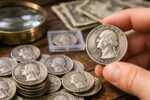
The Legacy of Bicentennial Quarters
The Bicentennial quarter represents more than just currency. It embodies a national celebration of freedom and history, captured in a design that continues to inspire collectors. Fifty years later, these coins remain a symbol of American heritage and artistry. Their legacy ensures that they will continue to be cherished by collectors and historians alike.
Conclusion
In 2026, rare Bicentennial quarters stand out as valuable and meaningful collectibles. From silver proofs to error varieties, these coins offer something for every collector. Their historical significance, combined with rarity and condition, drives their value in today’s market. Whether collected for passion, history, or investment, Bicentennial quarters remain a timeless reminder of America’s bicentennial celebration and a cornerstone of numismatic collections.

This value guide highlights the enduring appeal of Bicentennial quarters fifty years after their release. For collectors, they represent both a journey into history and an opportunity to preserve treasures that continue to shine in the world of coin collecting.